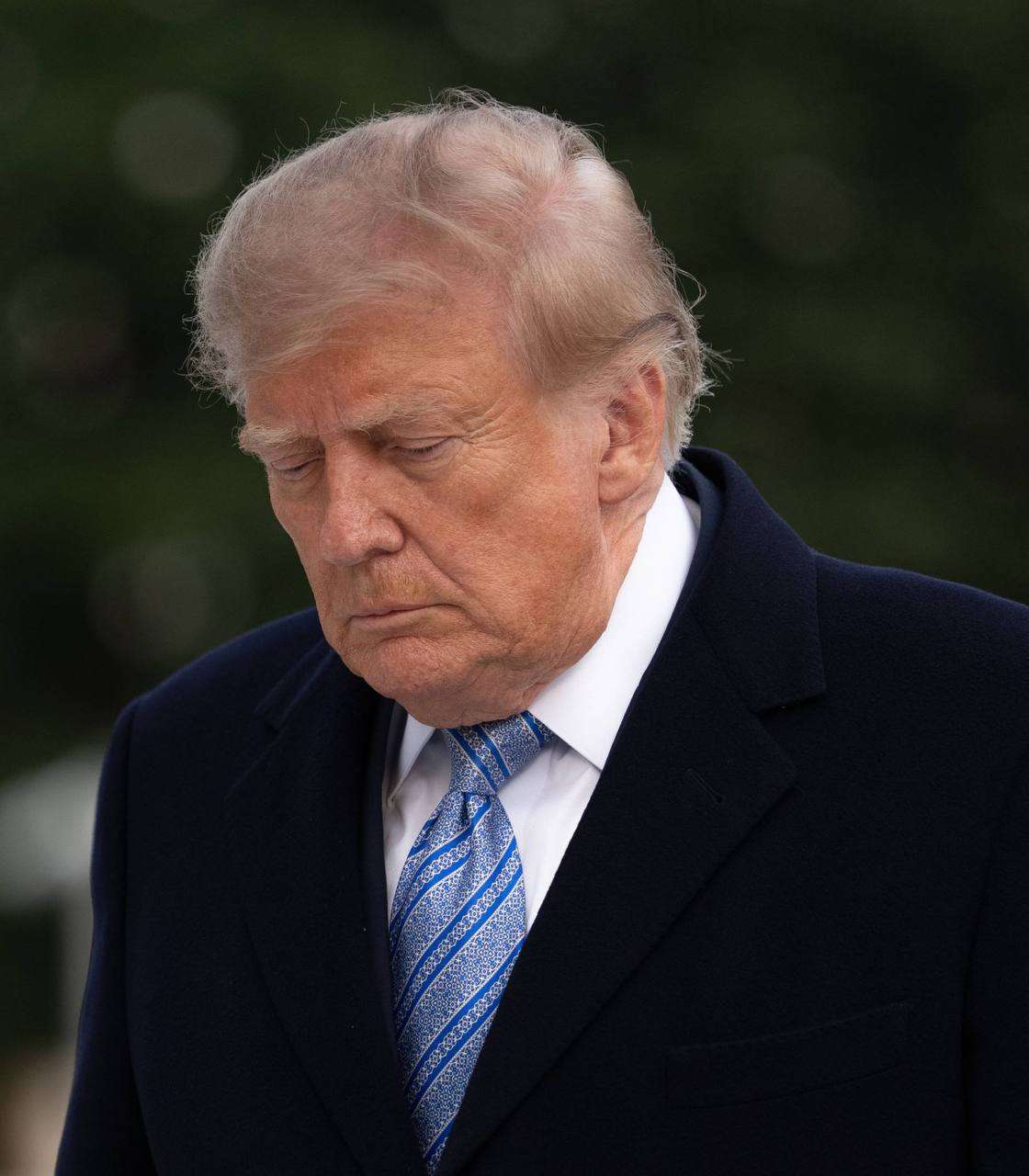
United States President Donald Trump could have made as much as $15 million from his Nvidia stock investments following a sharp increase in the company’s share price after the reinstatement of its co-founder, Jensen Huang, as Chief Executive Officer.
According to a report by the Financial Times, Nvidia’s shares surged by 31.5 per cent on Monday, November 23, 2026, following the announcement that Huang had returned to lead the technology giant.
The rally reportedly added approximately $950 billion to Nvidia’s market value, while significantly increasing the value of shares held by investors, including the US president.
Trump’s latest financial disclosures indicate that he could have owned as many as 370,000 Nvidia shares as of September 30, 2026. Based on the estimated size of his holdings, the increase in the company’s stock price could have added between $1.3 million and $15 million to the value of his investment in a single trading session.
However, the exact amount of Trump’s potential gains remains uncertain because his financial disclosures report investment holdings within broad monetary ranges rather than providing precise share quantities.
The disclosures also do not account for any additional purchases or sales made in October and November. Trump’s potential financial gains have attracted attention because of his reported involvement in Huang’s return to the company.
Speaking to CNBC after Nvidia announced the decision, Trump acknowledged that he had communicated with members of the company’s board and helped persuade them to reinstate Huang. “I spoke to them, let me put it that way,” Trump said, adding that he had convinced the board and helped make the deal happen.
Nvidia’s board subsequently confirmed Huang’s reinstatement following discussions and input from senior US government officials.
The development has raised questions among some American lawmakers about potential conflicts of interest, particularly given Trump’s government responsibilities and personal investments in companies affected by federal policy decisions.
However, the White House has maintained that the president’s stock and bond portfolio is independently managed by third-party financial institutions, with investment decisions made without his direction or involvement.
The controversy has also prompted calls for greater scrutiny of Trump’s financial interests and the circumstances surrounding his intervention in Nvidia’s leadership decision.
Meanwhile, Huang’s return has provided a major boost to Nvidia’s market valuation, although the company’s shares subsequently experienced renewed pressure as investors reassessed the implications of the leadership controversy.
The episode has placed a spotlight on the intersection of political influence, corporate leadership and personal financial investments, particularly as Nvidia continues to play a central role in the global artificial intelligence industry.
Discover more from Scoop Hub
Subscribe to get the latest posts sent to your email.