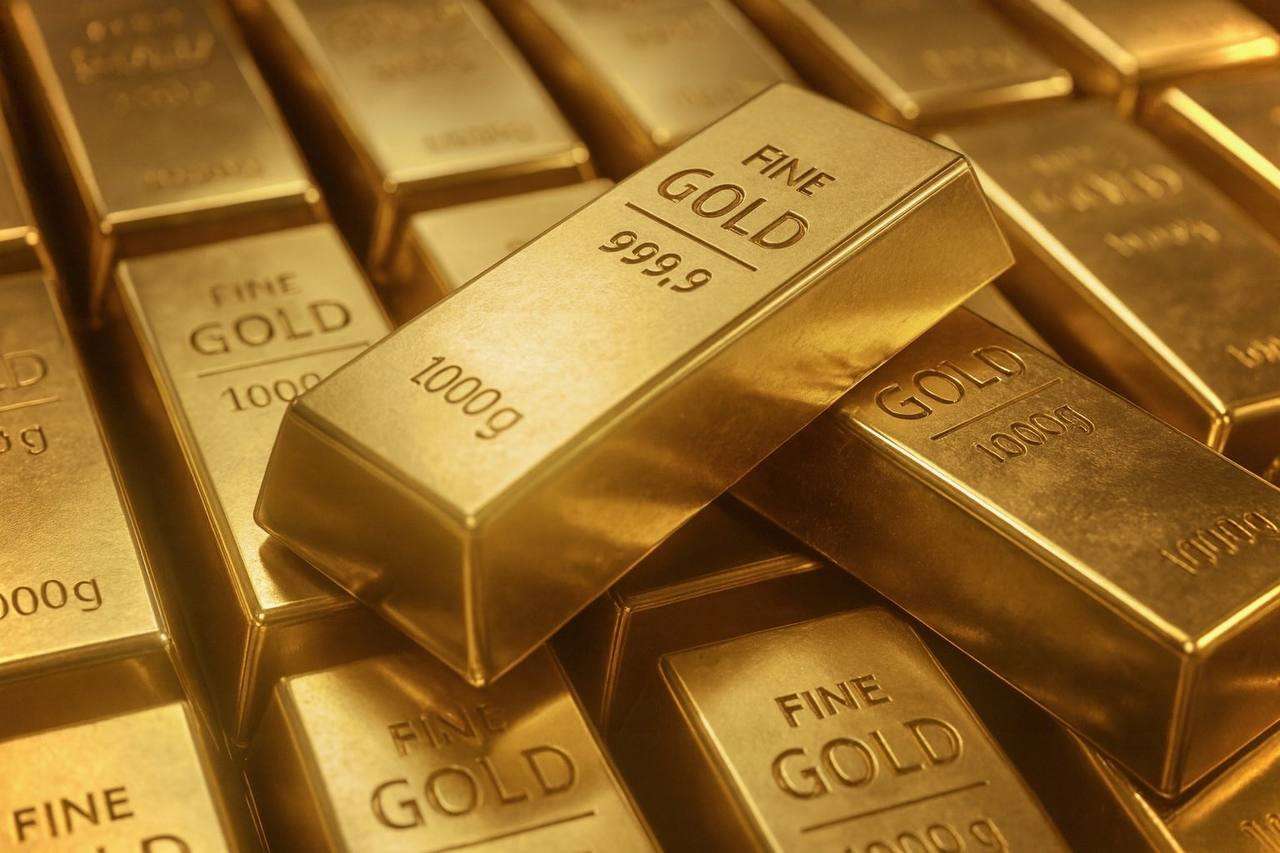
China’s central bank added 740,000 ounces of gold to its reserves in September 2026, extending its gold-buying streak to 23 consecutive months as the country continues to increase its holdings of the precious metal.
According to official data released on October 7, China’s gold reserves rose to 77.47 million fine troy ounces at the end of September, up from 76.73 million ounces in August. The latest addition is equivalent to approximately 23 metric tonnes. The increase marked China’s largest monthly addition since September 2023, reflecting a pickup in purchases even as international gold prices came under pressure.
China’s latest purchase came during a month in which gold prices declined by more than 6%, pressured by a stronger US dollar and rising interest-rate expectations. Despite the price drop, the People’s Bank of China continued adding to its reserves. The timing highlights how central banks may continue accumulating gold as part of longer-term reserve strategies, even when market prices fluctuate.
Gold is widely held by central banks as a reserve asset because it can help diversify holdings beyond foreign currencies and government bonds. Unlike currencies, it is not issued by any single government, although its market value can rise or fall significantly.
Following September’s purchase, China’s official gold holdings reached approximately 2,409.6 metric tonnes. The country’s gold-buying streak began in late 2024 and has continued for nearly two years, according to reported reserve data. The latest increase also exceeded the 650,000 ounces added in August.
China’s gold reserves increased in volume, but their reported dollar value moved in the opposite direction. The value of its holdings fell to approximately $323.52 billion at the end of September, from $350.08 billion in August, reflecting the decline in gold prices during the month.
Central banks around the world hold gold as part of their foreign reserve portfolios. Purchases can reflect efforts to diversify assets, manage long-term financial risks and reduce reliance on any single reserve currency. China’s sustained buying has attracted attention because of the country’s position in the global economy and the potential influence of official-sector demand on the gold market.
However, the purchases alone do not establish that China is abandoning the US dollar. Reserve decisions can reflect several objectives, including diversification, liquidity needs and long-term risk management.
Continued purchases by major central banks can provide support for gold demand, even when investors are responding to higher interest rates or a stronger dollar.
Gold does not pay interest, which can make it less attractive when yields on other assets rise. Its price is also influenced by investor sentiment, currency movements, geopolitical developments and broader economic conditions.
China’s latest purchase therefore represents a significant addition to its official holdings, but it does not guarantee that gold prices will rise. With its 23-month buying streak intact, the People’s Bank of China remains an important participant in the global gold market as central banks and investors continue to assess the role of precious metals in their portfolios.
Discover more from Scoop Hub
Subscribe to get the latest posts sent to your email.