Kenya has confirmed its first imported case of Ebola after a Kenyan citizen who had been living in the Democratic Republic of Congo (DRC) tested positive for the virus and later died in Nairobi.
The Kenyan Ministry of Health confirmed the case on Tuesday, October 6, saying the patient had been living in the DRC for about seven years and became ill approximately one month before travelling to Kenya.
According to Health Cabinet Secretary Aden Duale, the man travelled by road from the DRC to Kampala, Uganda, before boarding a flight to Nairobi on October 3. He was screened upon arrival at Jomo Kenyatta International Airport but was not flagged at the time.
The patient was later taken to a hospital in Nairobi by relatives after developing symptoms including fever, chills, severe weakness, muscle pain and bleeding under the skin. He was isolated and tested positive for the Bundibugyo virus at both Kenya’s National Virology Reference Laboratory and the Kenya Medical Research Institute.
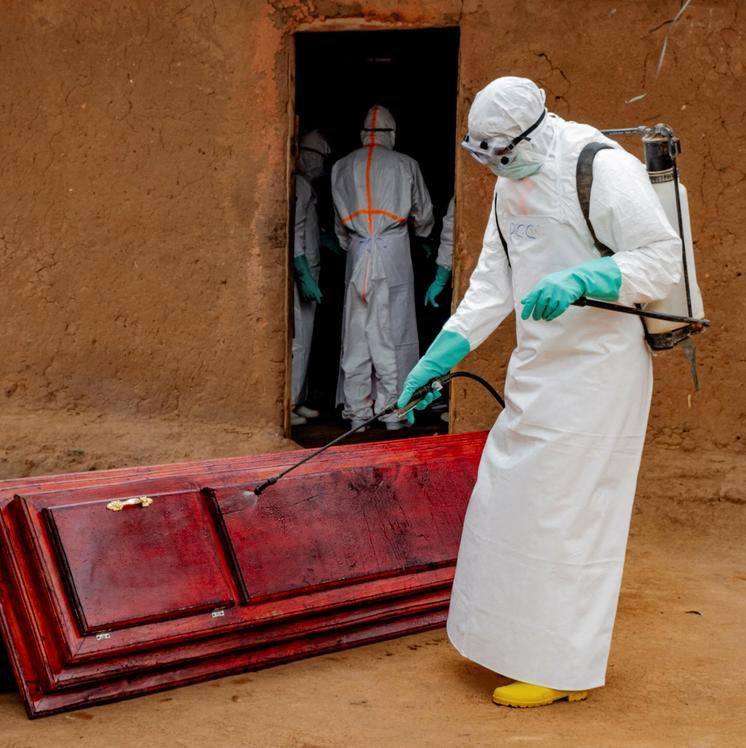
Despite receiving supportive treatment, he died on the night of October 5 and was buried under Kenya’s safe and dignified burial protocols.
Kenyan authorities have identified 28 contacts linked to the patient, including family members and healthcare workers who treated him. Officials are also tracing 23 passengers and four crew members who were aboard the flight from Uganda to Nairobi. People considered at risk are being monitored and placed under quarantine where necessary.
The World Health Organization said it is supporting Kenya’s response, while the Africa Centres for Disease Control and Prevention has deployed a high-level team to assist the country.
Kenya has also increased surveillance at points of entry and strengthened preparations to detect and contain any additional cases. The WHO said Kenya had screened more than 652,000 travellers since heightened surveillance began and had trained about 5,000 health workers in Ebola prevention and management.
The case is linked to the ongoing Ebola outbreak in eastern DRC, which is caused by the rare Bundibugyo virus. The outbreak, declared in May, has recorded more than 8,000 cases and over 4,000 deaths, according to figures cited by international health authorities.
Kenya is the fourth country to confirm a case connected to the current outbreak, following cases recorded in the DRC, Uganda and France. Uganda, which previously reported 20 cases and two deaths, was declared Ebola-free in August.
The WHO has advised against imposing travel or trade restrictions on Kenya, Uganda or the DRC based on the information currently available. Health authorities are instead emphasizing early detection, contact tracing, isolation and infection-control measures to prevent further transmission.
Kenyan officials have urged the public to remain calm while maintaining basic preventive measures, including regular handwashing, avoiding close contact with people showing symptoms and seeking medical attention at recognized health facilities when necessary.
The confirmed case marks the first time Kenya has recorded Ebola, placing the country under heightened surveillance as health authorities work to determine whether the virus has spread beyond the initial patient.
Discover more from Scoop Hub
Subscribe to get the latest posts sent to your email.